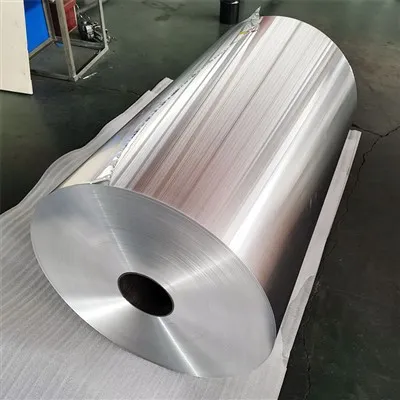
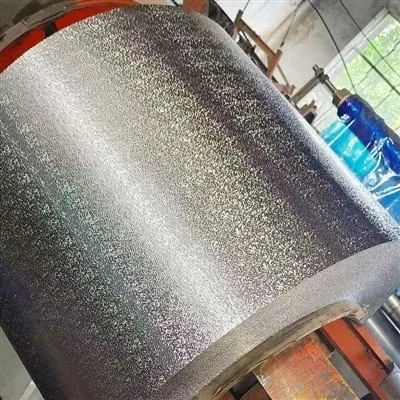
As a packaging aluminum foil supplier, I've witnessed firsthand the widespread use of this versatile material across various industries. Packaging aluminum foil is renowned for its excellent barrier properties, heat resistance, and malleability, making it a popular choice for food packaging, pharmaceutical applications, and more. However, like any material, it has its limitations. In this blog post, I'll delve into the drawbacks of packaging aluminum foil to provide a comprehensive understanding of its capabilities and constraints.
1. Chemical Reactivity
One of the primary limitations of packaging aluminum foil is its chemical reactivity with certain substances. Aluminum is a reactive metal that can react with acidic or alkaline foods, beverages, and chemicals. When exposed to acidic or alkaline environments, aluminum foil can undergo corrosion, leading to the formation of aluminum salts. These salts can not only affect the taste and quality of the packaged product but also pose potential health risks if ingested in large quantities.
For example, when used to wrap acidic foods such as tomatoes, citrus fruits, or vinegar-based dressings, aluminum foil may react with the acids in these foods, causing the foil to discolor and develop a metallic taste. Similarly, alkaline substances like baking soda or ammonia can also react with aluminum foil, leading to corrosion and degradation of the foil's integrity.
To mitigate the risk of chemical reactions, it's essential to choose the appropriate grade of aluminum foil for the specific application. Some aluminum foils are coated with a protective layer to prevent corrosion and chemical reactions. Additionally, it's advisable to avoid direct contact between aluminum foil and acidic or alkaline substances for extended periods.
2. Puncture and Tear Resistance
While aluminum foil is relatively strong and durable, it is susceptible to punctures and tears. The thin and delicate nature of aluminum foil makes it prone to damage when in contact with sharp objects or rough surfaces. Punctures and tears in the foil can compromise its barrier properties, allowing oxygen, moisture, and light to penetrate the package and spoil the contents.
In the food industry, punctures and tears in aluminum foil packaging can lead to food spoilage, contamination, and reduced shelf life. For example, if a package of cheese is wrapped in aluminum foil that has a small hole, oxygen can enter the package, causing the cheese to oxidize and develop an off-flavor. Similarly, in the pharmaceutical industry, punctured aluminum foil blister packs can expose the medication to moisture and air, reducing its efficacy and stability.
To enhance the puncture and tear resistance of aluminum foil, manufacturers often laminate it with other materials such as plastic or paper. Lamination not only improves the strength and durability of the foil but also provides additional barrier properties against oxygen, moisture, and light.
3. Recycling Challenges
While aluminum is a highly recyclable material, recycling packaging aluminum foil can be challenging due to its thin and flexible nature. Aluminum foil is often mixed with other materials, such as plastic or paper, in packaging applications, making it difficult to separate and recycle. Additionally, aluminum foil can become contaminated with food residue, grease, or other substances, which can further complicate the recycling process.
In many recycling facilities, aluminum foil is not accepted due to the difficulty of processing it. Instead, it is often landfilled or incinerated, contributing to environmental pollution and waste. To address these challenges, some recycling facilities are developing new technologies and processes to improve the recyclability of aluminum foil. For example, some facilities are using advanced sorting and separation techniques to remove contaminants from aluminum foil and recycle it into new products.
As a packaging aluminum foil supplier, we are committed to promoting sustainable packaging solutions and reducing the environmental impact of our products. We encourage our customers to recycle aluminum foil whenever possible and to choose packaging materials that are easy to recycle.
4. Cost
Compared to other packaging materials, such as plastic or paper, aluminum foil is relatively expensive. The high cost of aluminum foil is due to several factors, including the cost of raw materials, manufacturing processes, and transportation. Additionally, the energy-intensive nature of aluminum production contributes to its high cost.
In the food and beverage industry, the high cost of aluminum foil can limit its use, especially for products with low profit margins. For example, small-scale food producers may opt for plastic or paper packaging instead of aluminum foil to reduce costs. Similarly, in the pharmaceutical industry, the cost of aluminum foil blister packs can be a significant factor in the pricing of medications.
Despite its high cost, aluminum foil offers several advantages over other packaging materials, such as excellent barrier properties, heat resistance, and durability. In some applications, the benefits of using aluminum foil may outweigh the cost. For example, in the packaging of high-value products such as luxury foods or pharmaceuticals, the use of aluminum foil can enhance the product's perceived quality and shelf life.
5. Environmental Impact
While aluminum is a sustainable and recyclable material, the production of aluminum foil has a significant environmental impact. The extraction and refining of aluminum ore require large amounts of energy and water, and the process generates significant amounts of greenhouse gas emissions and waste. Additionally, the disposal of aluminum foil in landfills or incinerators can contribute to environmental pollution and waste.
To reduce the environmental impact of aluminum foil production, manufacturers are increasingly adopting sustainable practices and technologies. For example, some manufacturers are using renewable energy sources, such as solar and wind power, to power their production facilities. Additionally, manufacturers are developing new recycling technologies and processes to improve the recyclability of aluminum foil and reduce the amount of waste sent to landfills.
As a packaging aluminum foil supplier, we are committed to reducing the environmental impact of our products and promoting sustainable packaging solutions. We encourage our customers to choose packaging materials that are environmentally friendly and to recycle aluminum foil whenever possible.
Conclusion
In conclusion, packaging aluminum foil is a versatile and widely used material with many advantages, including excellent barrier properties, heat resistance, and malleability. However, it also has several limitations, including chemical reactivity, puncture and tear resistance, recycling challenges, cost, and environmental impact. As a packaging aluminum foil supplier, we understand the importance of providing our customers with high-quality products that meet their specific needs and requirements. We also recognize the need to promote sustainable packaging solutions and reduce the environmental impact of our products.

If you are interested in learning more about our packaging aluminum foil products or would like to discuss your specific packaging needs, please visit our websites Alufoil Packaging, Food Packaging Foil, and Pharmaceutical Aluminum Foil. We look forward to the opportunity to work with you and provide you with the best packaging solutions for your products.
References
- Federal Drug Administration (FDA). (n.d.). Food contact substances. Retrieved from [Website of FDA]
- Institute of Packaging Professionals (IoPP). (n.d.). Insights into Packaging. Retrieved from [Website of IoPP]
- Aluminum Association. (n.d.). Technical information on aluminum. Retrieved from [Website of Aluminum Association]