


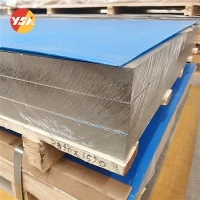
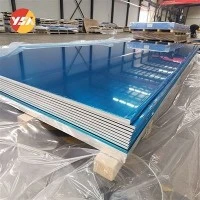
Checkered Aluminum Coil
Product Overview
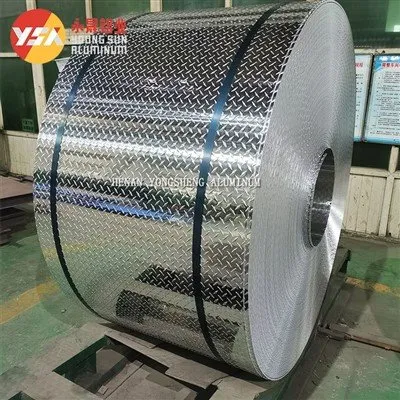
Checkered aluminum coil is an embossed metal substrate supplied in coil form, featuring raised tread patterns (such as 1-bar diamond, 3-bar, or 5-bar) rolled directly onto the surface. Engineered for slip resistance, structural flooring, and weight-sensitive vehicle modifications, it delivers a high strength-to-weight ratio alongside inherent atmospheric corrosion resistance.
Supplied primarily to metal service centers, commercial vehicle body builders, and industrial fabricators, the material maintains the formability and weldability of wrought aluminum alloys while providing multi-directional traction for flooring and structural components.

Material & Technical Specifications
|
Parameter |
Standard Production Specifications |
|
Available Alloys |
3003 (General purpose, high formability), 5052 (Marine grade, superior salt-spray corrosion resistance) |
|
Temper Options |
H14, H22, H32 |
|
Base Metal Thickness |
1.0 mm – 6.0 mm (Measured on the flat substrate, excluding tread height) |
|
Standard Widths |
1000 mm, 1219 mm, 1500 mm (Precision slitting to custom widths available) |
|
Pattern Configurations |
1-Bar Diamond, 3-Bar, 5-Bar (Cuzco) |
|
Pattern Height |
1.0 mm – 1.5 mm (Proportional to base gauge) |
|
Coil Inner Diameter (ID) |
508 mm or 610 mm |
|
Coil Weight |
1.5 Metric Tons – 5.0 Metric Tons per coil |
|
Applicable Standards |
ASTM B209, EN 485-2, EN 10204 3.1 MTC |

Alloy Selection
• 3003 Aluminum: Ideal for applications requiring moderate strength and high formability, such as interior van linings, toolboxes, and general architectural paneling.
• 5052 Aluminum: Contains approximately 2.5% magnesium, offering superior corrosion resistance against road salts and marine moisture. It is the designated grade for exterior vehicle steps and marine decks.
Tread Pattern Selection
Available in 1-bar diamond, 3-bar, and 5-bar configurations. The raised pattern provides multi-directional traction. For critical safety flooring requirements, slip resistance should be evaluated against project-specific testing standards under representative working conditions.
Weight Reduction & Fabrication
Offering a density roughly one-third that of carbon steel, checkered aluminum significantly reduces dead weight in transport applications. The controlled cold-work tempers (such as H22 and H32) maintain sufficient ductility for standard brake pressing, roll forming, and TIG/MIG welding without edge cracking.
Target Applications
Commercial Transport:
Flooring, wheel wells, and kick plates for ambulances, fire apparatus, delivery vans, and utility trailers.
Marine & Offshore:
Walkways, engine room floor plates, and dock ramps utilizing 5052-H32 for saltwater environment durability.
Industrial Infrastructure:
Mezzanine flooring, stair treads, catwalks, and machine safety guarding in processing facilities.
Equipment & Storage:
Heavy-duty toolboxes, equipment loading ramps, and protective wall paneling.
Manufacturing Process & Quality Control
Production utilizes automated cold-rolling mills coupled with synchronized embossing machinery to ensure consistent mechanical and dimensional performance.
Homogenization & Rolling: Ingots undergo thermal homogenization before rolling to eliminate internal casting stresses, achieving strict gauge tolerances (±0.02 mm).
Precision Embossing: Coils pass through hardened steel embossing rolls with hydraulic pressure regulation, ensuring uniform pattern depth and crisp edge definition across the entire strip length.
Mechanical Testing: Tensile strength, yield strength, and elongation percentage are verified per ASTM E8 standards on every production lot.
Surface & Gauge Inspection: Laser thickness gauges monitor gauge consistency continuously during slitting and recoiling. Surfaces are inspected under standardized lighting to reject oil staining, scratches, and roller marks prior to packaging.
Frequently Asked Questions

Request a Quote
To request a quotation, please provide the required alloy and temper, base metal thickness, coil width, tread pattern, order quantity, and delivery destination. Include any specific technical standards, dimensional tolerances, packaging requirements, or documentation needs that apply to your order.