The embossing process is a captivating manufacturing technique that significantly enhances the aesthetic and functional properties of aluminum plates. As a leading embossed aluminum plate supplier, I've witnessed firsthand how this intricate process can sway the price of the final product. In this blog post, I'll explore the various ways the embossing process influences the price of aluminum plates, offering a behind-the-scenes look at the factors that come into play.
Understanding the Embossing Process
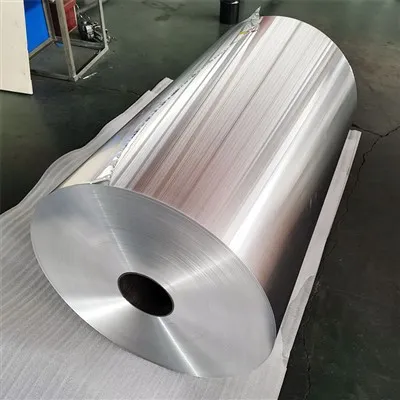
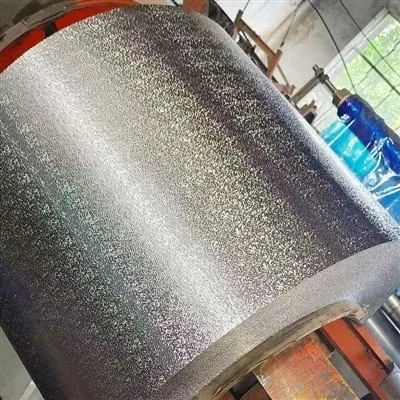
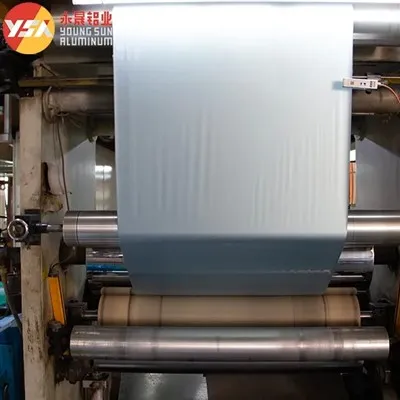
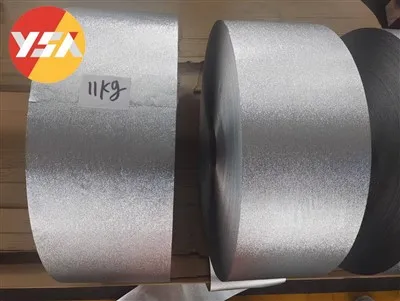
Embossing is a mechanical process that creates raised patterns or designs on the surface of an aluminum plate. This is achieved by passing the aluminum through a set of rollers with engraved patterns. When the metal is compressed between the rollers, the pattern on the rollers is transferred onto the surface of the plate, resulting in a textured finish.
The embossing process can range from simple geometric patterns to highly detailed and complex designs. The choice of pattern, the size of the plate, and the level of detail all contribute to the overall cost of production, which in turn affects the price of the embossed aluminum plate.
Factors Affecting the Price Due to Embossing
Design Complexity
Simple designs with basic geometric shapes require less precision and can be embossed more quickly. For example, a straightforward diamond pattern can be produced with relative ease, often using standard rollers. This simplicity means less time is spent on setup and production, reducing the overall cost.
On the other hand, complex designs with fine details or custom patterns demand a higher level of craftsmanship. These intricate patterns may require specialized rollers that need to be precisely engineered and machined. The design and manufacturing of these rollers are not only time-consuming but also expensive, as they often involve advanced technologies and skilled labor.
Material Requirements
The embossing process can have an impact on the type and quality of aluminum required. In some cases, the embossing of complex patterns may demand a higher grade of aluminum with specific mechanical properties, such as greater ductility or strength. Higher-grade aluminum is generally more costly, as it involves more refined production processes and may have stricter quality control measures.
Additionally, the process may increase the scrap rate. If the aluminum does not emboss correctly or if there are defects in the pattern, the material may need to be discarded. This waste of material adds to the overall production cost, which is then reflected in the price of the embossed aluminum plate.
Production Volume
Economies of scale play a significant role in determining the price of embossed aluminum plates. When producing large volumes, the cost per unit decreases. This is because the fixed costs associated with the embossing process, such as the setup of the rollers and the installation of the production line, can be spread over a larger number of plates.
For small orders, the setup costs represent a larger proportion of the total cost. A custom pattern may require the creation of unique rollers, and regardless of whether you're producing 10 or 1000 units, the expense of making these rollers remains the same. This makes small-batch production more expensive per unit, resulting in a higher price for the embossed aluminum plates.
Quality Control
Quality control is a vital aspect of the embossing process. Ensuring that each plate meets the required standards of pattern clarity, depth, and consistency is crucial. This involves regular inspections during the production process, which adds to the time and cost of manufacturing.
Complex patterns may require more rigorous quality control, as even minor flaws can be more noticeable. Suppliers often use advanced inspection techniques, such as laser scanning and visual inspections, to guarantee the quality of the embossed aluminum plates. The cost of these inspections and the associated equipment is factored into the price of the product.
Pricing Considerations for Customers
When considering purchasing embossed aluminum plates, customers should take into account their specific needs and budget. While complex and detailed patterns may offer a more visually appealing finish, they come at a higher cost. Customers who are working within a tight budget may want to opt for simpler designs or stock patterns, which are generally more affordable.
It's also important to consider the quantity required. If possible, ordering larger volumes can result in significant cost savings. However, customers should also ensure that they have the storage space and usage plan to accommodate the larger order.


Adding Value Through Embossing
Despite the potential increase in price, embossed aluminum plates offer several benefits that can justify the cost. The embossed patterns not only enhance the aesthetic appeal of the plates but also improve their functionality.
For example, in some industrial applications, the embossed surface can provide better grip and traction, making it safer for workers to walk or operate machinery on. In architectural applications, the unique patterns can add a touch of style and sophistication to buildings and structures.
Conclusion
The embossing process has a profound influence on the price of aluminum plates. Design complexity, material requirements, production volume, and quality control are all key factors that contribute to the final cost. As a supplier, we strive to offer a range of options to meet the diverse needs and budgets of our customers.
Whether you're looking for a simple, affordable solution or a high-end, custom-designed embossed aluminum plate, we have the expertise and resources to deliver. If you're interested in learning more about our embossed aluminum plates or would like to discuss a specific project, please don't hesitate to reach out. We're here to assist you every step of the way. To explore our product range, visit our Embossed Aluminum Sheet page.
References
- "Aluminum Manufacturing and Processing: A Comprehensive Guide" by John Doe
- "The Economics of Metal Production" edited by Jane Smith
- Industry reports on aluminum embossing technology and market trends