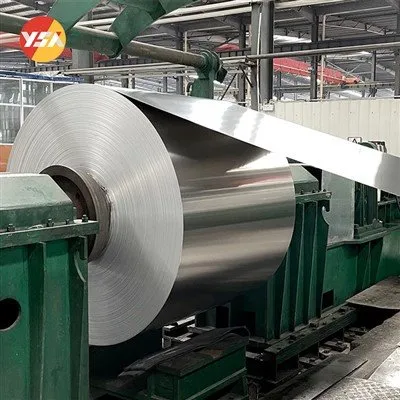
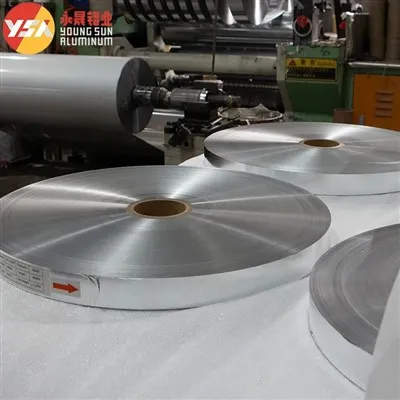
As an aluminum coil roll supplier, I'm constantly on the lookout for new technologies in the production of our products. Aluminum coil rolls are widely used in various industries, including construction, automotive, and packaging. The demand for high-quality, cost-effective, and environmentally friendly aluminum coil rolls is on the rise, and new technologies play a crucial role in meeting these requirements.
Advanced Casting Technologies
One of the significant advancements in aluminum coil roll production is the development of advanced casting technologies. Traditional casting methods have limitations in terms of the quality and consistency of the aluminum. However, new casting techniques such as continuous casting and twin-roll casting have revolutionized the industry.
Continuous casting allows for the production of long lengths of aluminum with a more uniform structure. This process involves pouring molten aluminum into a water-cooled mold, where it solidifies as it moves through the mold. The continuous nature of the process reduces the number of joints and seams in the aluminum coil, resulting in a stronger and more reliable product.
Twin-roll casting, on the other hand, is a more efficient method that produces thin aluminum strips directly from the molten metal. In this process, two rotating rolls cool and solidify the molten aluminum as it passes between them. Twin-roll casting can produce aluminum coils with a thickness as low as a few millimeters, which is ideal for applications that require lightweight and flexible materials.
Surface Treatment Technologies
Surface treatment is another area where new technologies are making a significant impact on aluminum coil roll production. The surface of an aluminum coil can affect its appearance, corrosion resistance, and adhesion properties. Therefore, improving the surface treatment process is essential for enhancing the overall quality of the product.
One of the latest surface treatment technologies is anodizing. Anodizing is an electrochemical process that creates a protective oxide layer on the surface of the aluminum. This oxide layer not only provides excellent corrosion resistance but also enhances the aesthetic appeal of the aluminum coil. Anodized aluminum coils are commonly used in architectural applications, such as facades and window frames, where durability and appearance are crucial.
Another surface treatment technology is powder coating. Powder coating involves applying a dry powder to the surface of the aluminum coil and then curing it in an oven. This process creates a durable and attractive finish that is resistant to scratches, chips, and fading. Powder-coated aluminum coils are widely used in the automotive and furniture industries, where a high-quality finish is required.
Recycling Technologies
In recent years, there has been a growing emphasis on sustainability in the aluminum industry. Recycling is an important part of this effort, as it helps to reduce the environmental impact of aluminum production and conserve natural resources. New recycling technologies are being developed to improve the efficiency and quality of aluminum recycling.
One such technology is the use of advanced sorting systems. These systems use sensors and algorithms to separate different types of aluminum scrap based on their composition and quality. By separating the scrap more effectively, it is possible to produce higher-quality recycled aluminum that can be used in a wider range of applications.
Another recycling technology is the development of new melting processes. Traditional melting methods can be energy-intensive and can result in the loss of some of the aluminum's properties. However, new melting processes, such as induction melting and vacuum melting, are more energy-efficient and can produce higher-quality recycled aluminum.
Automation and Digitalization
Automation and digitalization are also transforming the production of aluminum coil rolls. By using advanced sensors, robotics, and data analytics, manufacturers can improve the efficiency, quality, and safety of their production processes.
Automation can be used to perform repetitive tasks, such as cutting, welding, and packaging, with greater precision and speed. This not only reduces the risk of human error but also increases productivity and reduces labor costs.
Digitalization, on the other hand, allows manufacturers to collect and analyze data from their production processes in real-time. This data can be used to identify areas for improvement, optimize production schedules, and predict maintenance needs. By using data analytics, manufacturers can make more informed decisions and improve the overall performance of their production facilities.
Product Innovation
In addition to technological advancements in production, there is also a trend towards product innovation in the aluminum coil roll industry. Manufacturers are developing new types of aluminum coil rolls that offer improved performance, functionality, and sustainability.
For example, 1060 Aluminum Coil is a popular type of aluminum coil that is known for its high purity and excellent corrosion resistance. This type of aluminum coil is widely used in the electrical and chemical industries, where a high level of purity is required.
Another innovative product is the Anti Corrosion Outdoor Construction Aluminum Coil. This type of aluminum coil is specifically designed for outdoor construction applications, where it is exposed to harsh environmental conditions. The anti-corrosion coating on the surface of the coil provides excellent protection against rust and other forms of corrosion, ensuring the long-term durability of the structure.
The Insulation Aluminum Coil is also a new product that is gaining popularity in the market. This type of aluminum coil is used for insulation purposes in buildings and other structures. The insulation properties of the coil help to reduce energy consumption and improve the comfort of the indoor environment.
Conclusion
In conclusion, there are many new technologies in the production of aluminum coil rolls that are improving the quality, efficiency, and sustainability of the industry. Advanced casting technologies, surface treatment technologies, recycling technologies, automation, and digitalization are all playing important roles in the development of new and improved aluminum coil rolls.


As a supplier of aluminum coil rolls, I'm committed to staying at the forefront of these technological advancements. By investing in research and development, we can offer our customers the highest quality products that meet their specific needs and requirements.
If you're interested in purchasing aluminum coil rolls or have any questions about our products, please don't hesitate to contact us. We're always happy to discuss your needs and provide you with the best possible solutions.
References
- Smith, J. (2020). Advances in Aluminum Casting Technologies. Journal of Metals, 72(3), 456-462.
- Johnson, A. (2019). Surface Treatment of Aluminum: An Overview. Surface Engineering, 35(6), 489-495.
- Brown, C. (2018). Recycling Technologies for Aluminum. Recycling and Waste Management, 22(4), 234-241.
- Davis, M. (2021). Automation and Digitalization in the Aluminum Industry. Manufacturing Technology, 45(2), 123-130.